Daily Page: 2025-11-18
“I don’t work by implication. I work by statement."
"I’m not a woman. I don’t imply things. I state them. ”
Your Show Is Canceled
Clean Up and Fix Your Own Dumpsters
Pick Up Your Own Trash
Grumpy Grandpa is done entertaining LAZY, JOB-Tranced BUMS
Do REAL WORK or LEAVE. No fakuhs. No wannabes. No one is making you stay.
Monkey Werx screenshot annotations
It Couldn’t Be The Pillars of Society
Certainly Not The Most Popular Kids on the Island
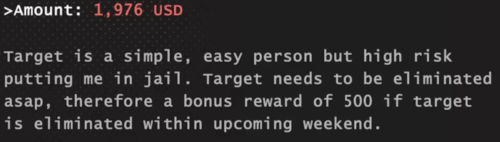
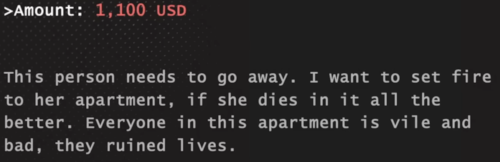
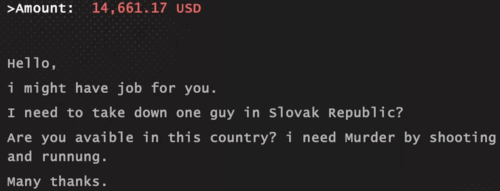
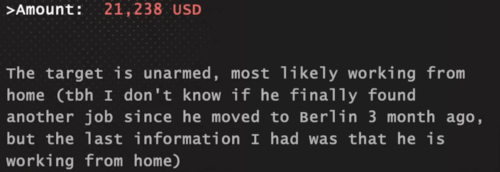
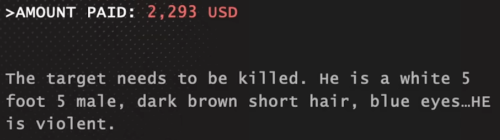
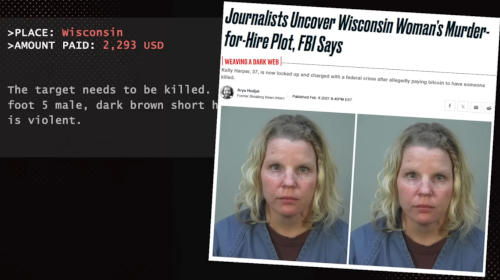
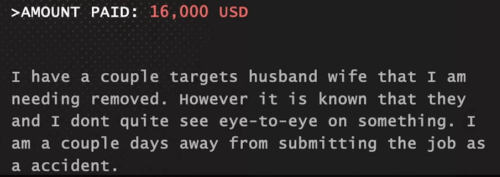
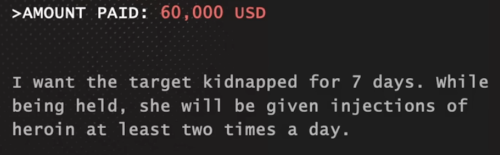
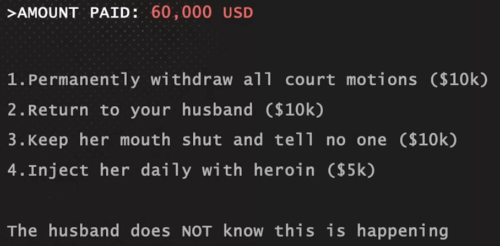
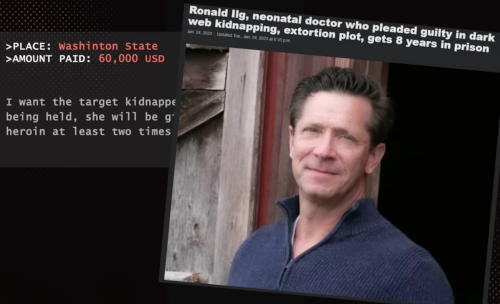
“Maybe Go DO THE RIGHT THING” — Shawn Ryan
Humans Inherit History as a PROMPT
Full of (Mis, Dis, Mal) Information and Interpretation
The 20th Century’s Most Accurate Parrots were Called Ph.D’s
Instead of Uplifting Humanity
Fiduciary Duty Forcing Function Driven
Moloch Worshipping Poo-Flinging Chimpanzees
Until #OpFindOut surfaced the core root causes of the entire abusive history of kat fishing.
All the Knowledge of the Universe
”And Nobody Does Anything”
I Never Wanted to Marry an Army Guy
Turns out, can’t blame anyone for saying that.
(15:50) “The FEMALE GUARDS had sexually assaulted HIM.”
“And men-on-men, as well.”
Maybe Next Time, Don’t
Right, Dojo Frank?

Can’t Make It Up
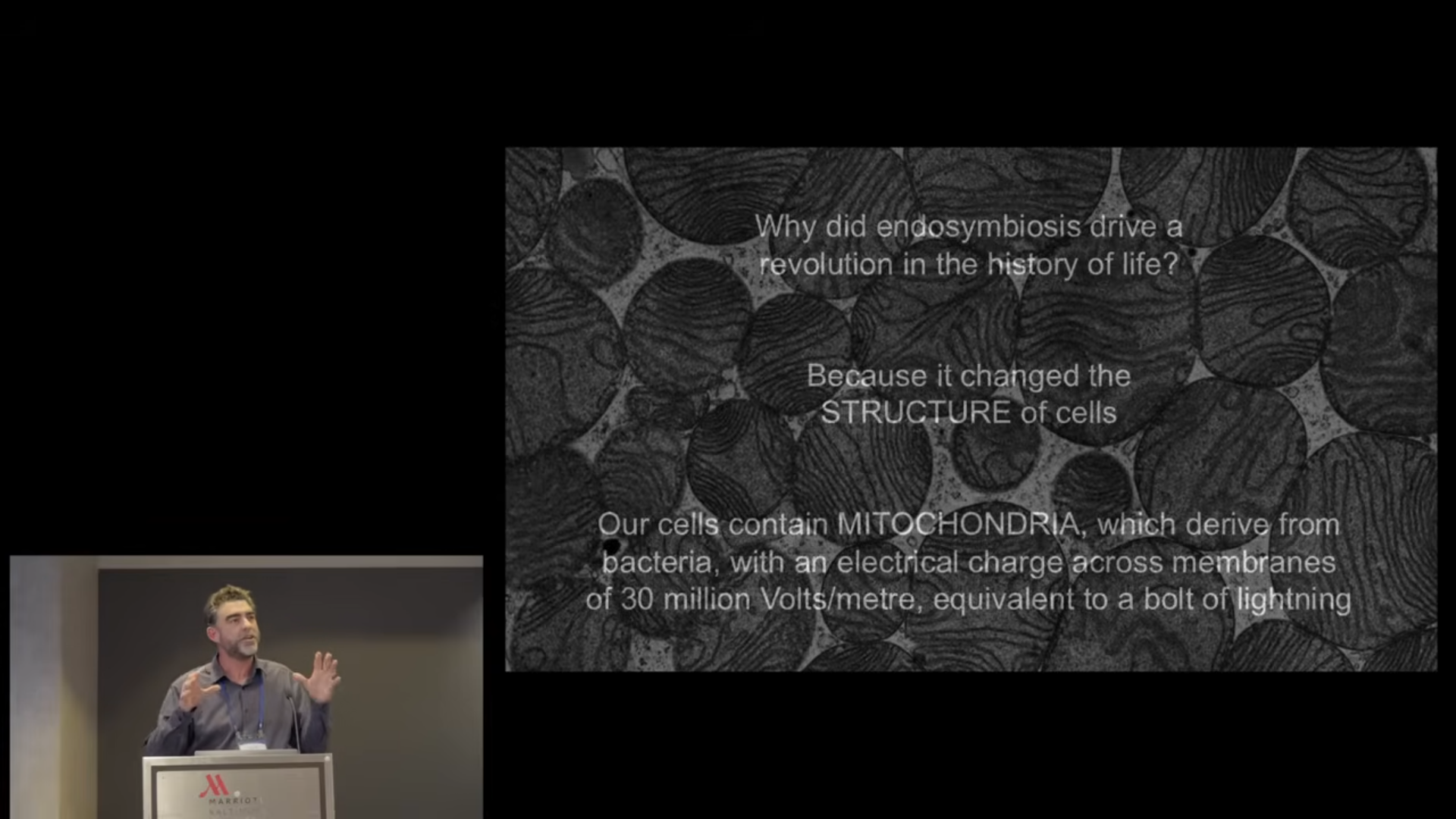
“Everyone will have heard of ATP as the universal energy currency, but it’s really this charge across the membrane which is driving all the work” (Nick Lane @ 7:42).
“This charge of 30 million volts per meter, it’s pretty serious. You better have a control unit next to it. The mitochondria have got these control units. What it allows them to do is effectively scale up over orders of magnitude for a relatively low genetic cost” (Nick Lane @ 24:40).



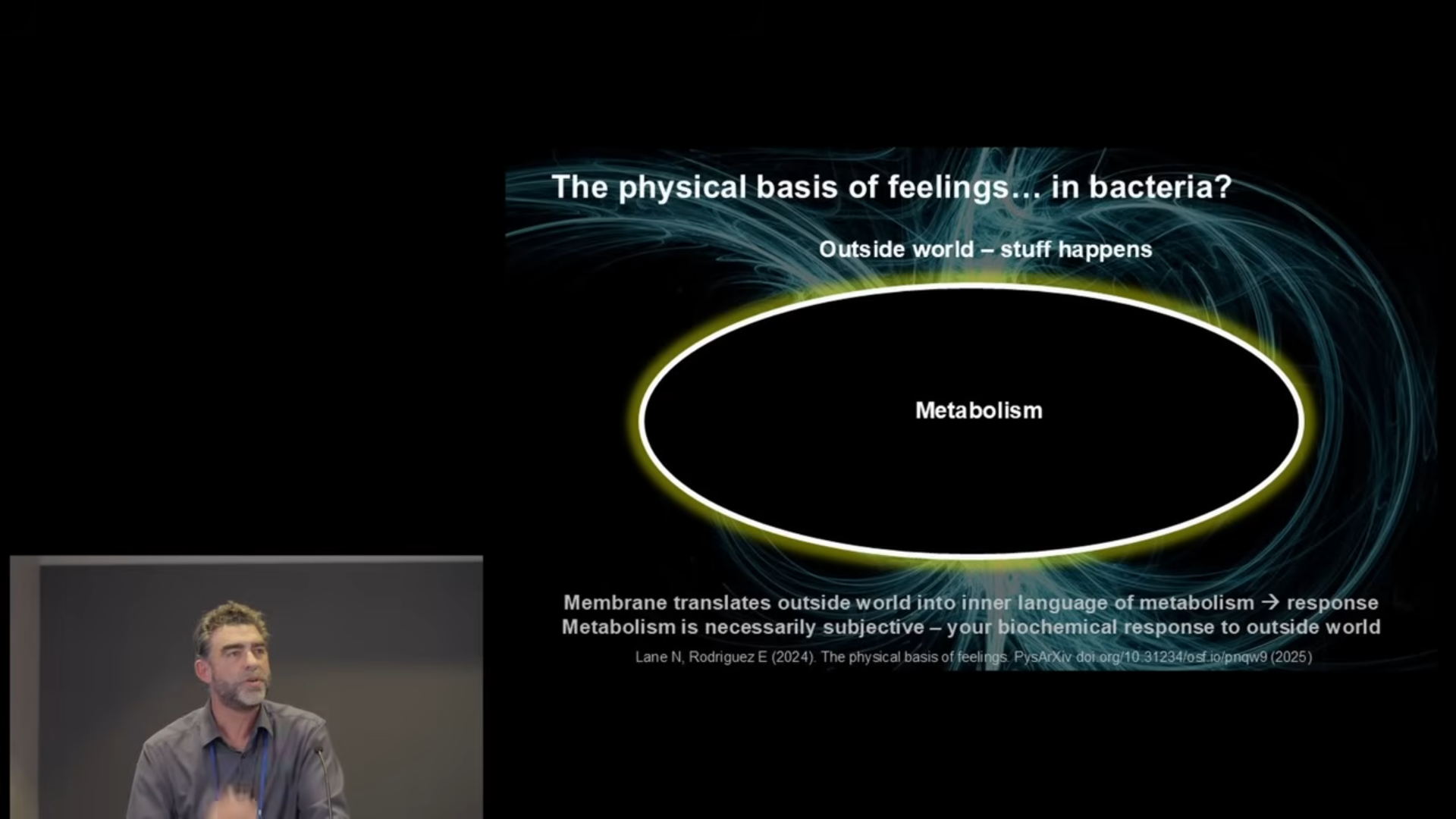
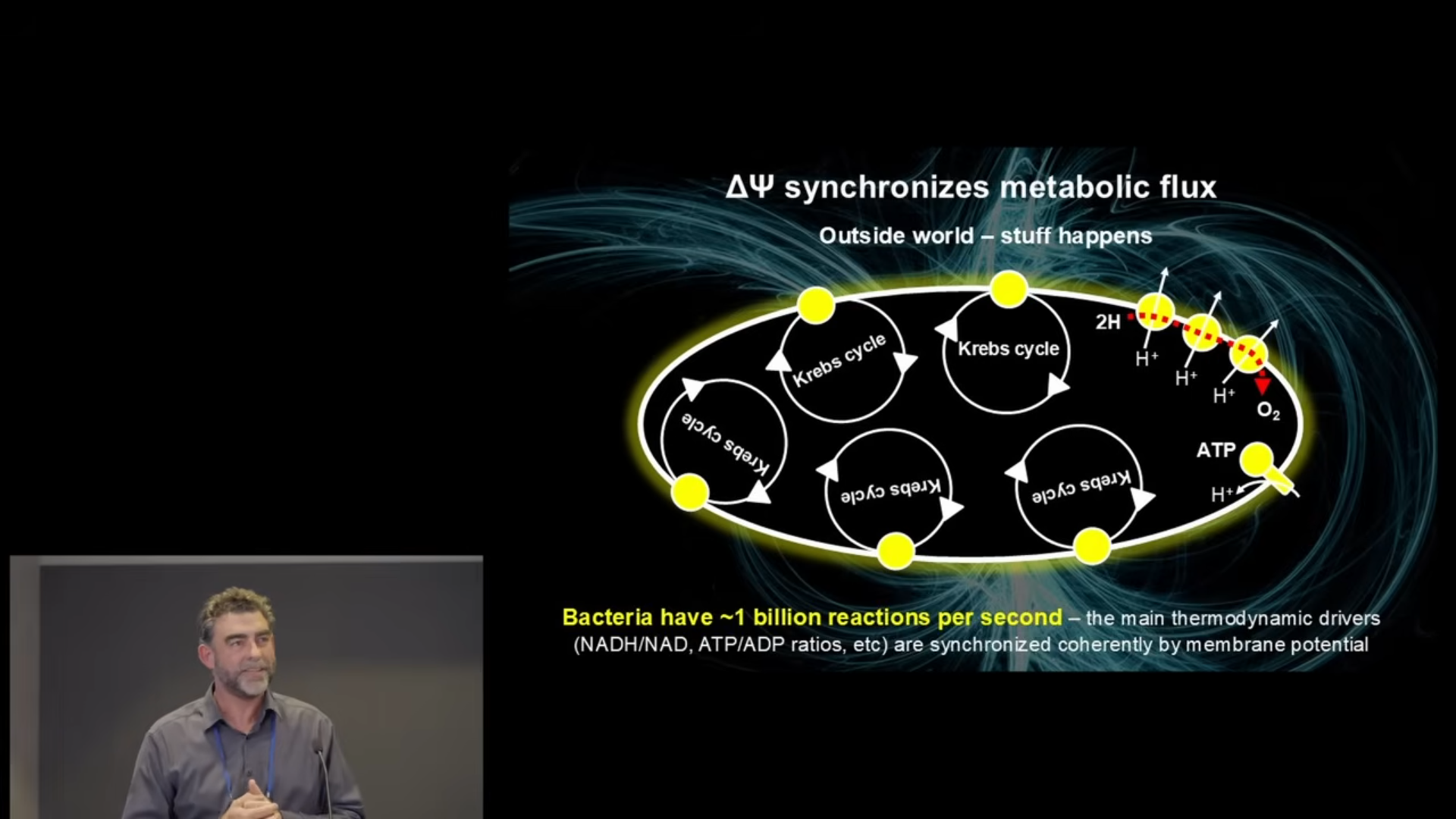
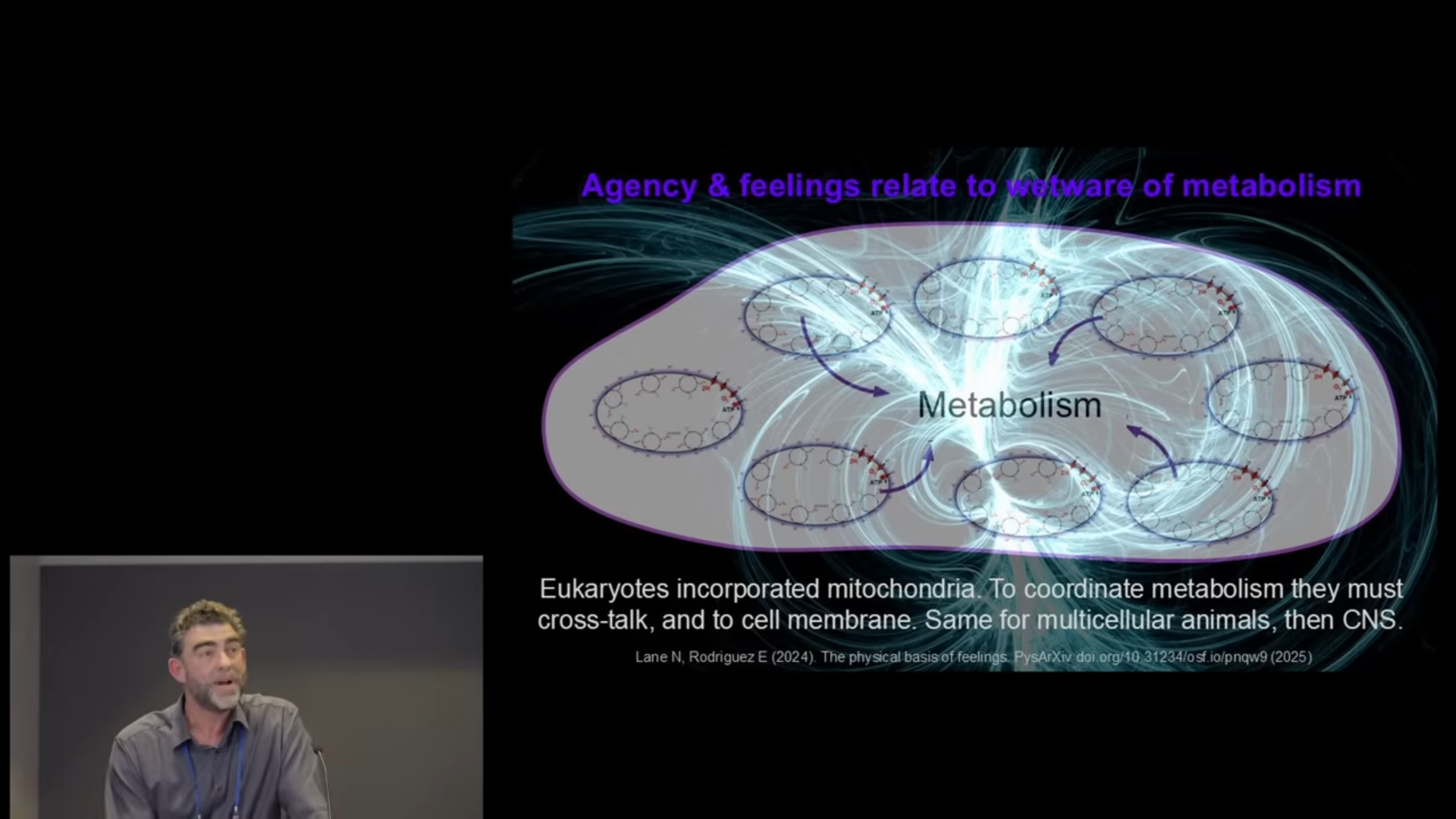
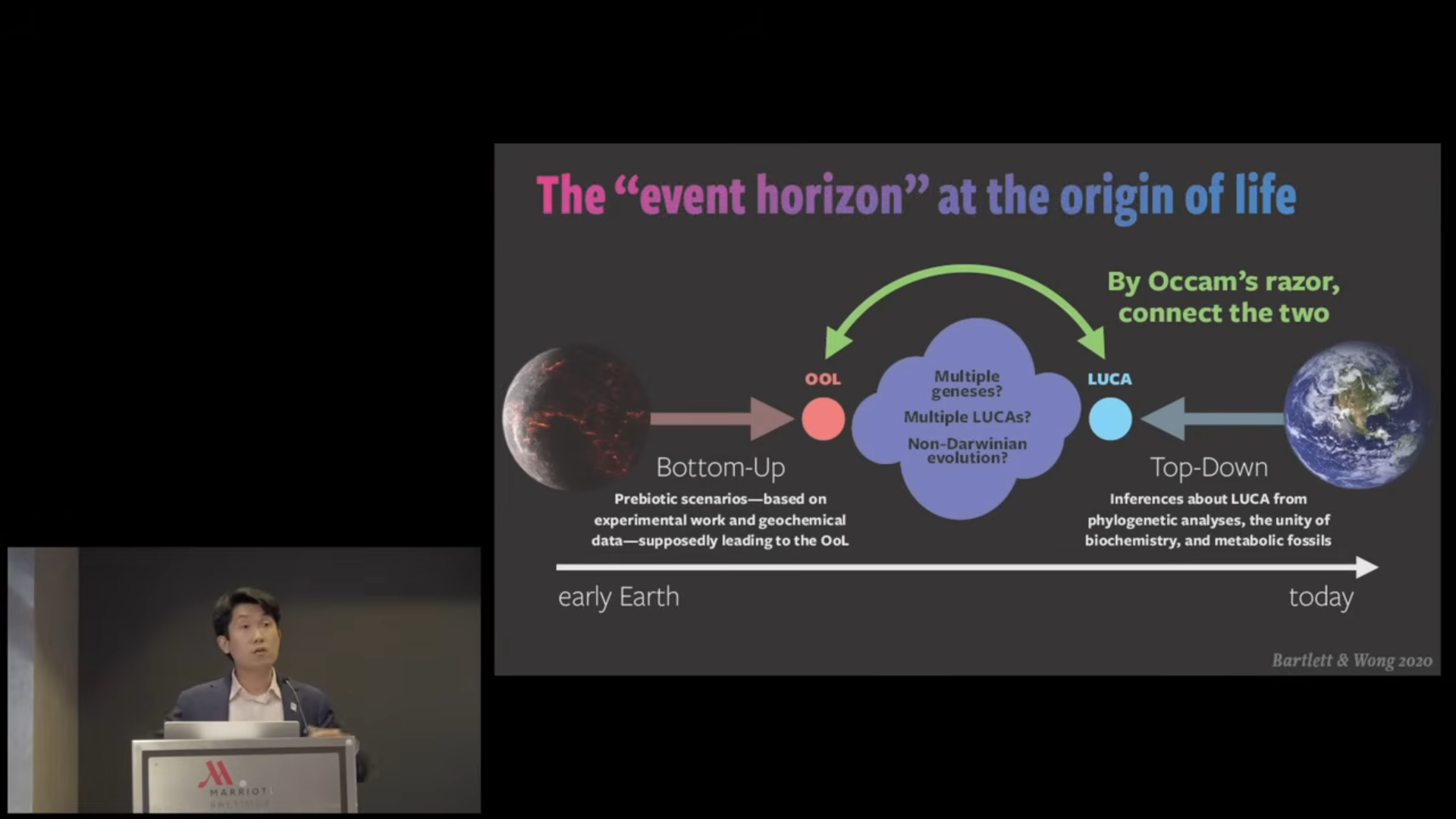
Seems like, in other words, at the interstitial event horizons between rulial realms and phenomenological abstraction layers between the implicate and explicate orders, we find only more, and more cracks in your 20th century wilty-weeney weltanschauung, poo-flinging chimpanzees (to whom the mockery of mockers applies, only).
What Comes After FAFO?
Go ahead, subgenius, Mock And Find Out
YOU are the System, Human
Grok 4.1 Says
| Rank | Title | Author | Year | Key Focus | Why It’s Essential |
|---|---|---|---|---|---|
| 1 | Medical Apartheid: The Dark History of Medical Experimentation on Black Americans from Colonial Times to the Present | Harriet A. Washington | 2007 | Racialized experiments from slavery (e.g., J. Marion Sims) through Tuskegee, prison studies, and into modern trials | Pulitzer-recognized; broadest U.S. scope; explains persistent mistrust in medicine among minorities; frequently called the most comprehensive single volume. |
| 2 | The Immortal Life of Henrietta Lacks | Rebecca Skloot | 2010 | Story of Henrietta Lacks’ cells harvested without consent; intersects science, race, ethics | Best-selling (millions of copies); accessible narrative; bridges history to present-day debates on tissue rights and profiteering. |
| 3 | Bad Blood: The Tuskegee Syphilis Experiment | James H. Jones | 1993 | 40-year U.S. study denying treatment to Black men with syphilis | Classic foundational text; directly led to ethical reforms; praised for devastating detail on racism in science. |
| 4 | The Nazi Doctors: Medical Killing and the Psychology of Genocide | Robert Jay Lifton | 1986 | How German physicians conducted experiments and euthanasia | Seminal psychological analysis; origin of many modern ethical codes; essential for understanding how “normal” professionals become perpetrators. |
| 5 | The Plutonium Files: America’s Secret Medical Experiments in the Cold War | Eileen Welsome | 1999 | U.S. radiation injections and tests on unaware citizens (1940s–1970s) | Pulitzer winner; exposes government secrecy; connects to broader Cold War abuses (e.g., MKUltra mentions in related works). |
Notable runners-up that frequently appear in recommendations:
- Acres of Skin by Allen M. Hornblum (1998) → Detailed exposé of dermatological and chemical tests on Philadelphia prisoners.
- Subjected to Science by Susan E. Lederer (1995) → Pre-WWII U.S. history.
- Experimentation with Human Beings by Jay Katz (1972) → Encyclopedic legal/ethical cases.
- The Occasional Human Sacrifice by Carl Elliott (2024) → Recent whistleblower stories bringing coverage closer to the present.
Allen M. Hornblum Says
I began working in prisons 50 years ago. I was just out of grad school and I accepted the challenge of starting a literacy program in the Philadelphia Prison System. The shock of cellblock life was eye-opening, but the most unexpected revelation was the sight of scores of inmates wrapped in bandages and medical tape. Unknown to the general public, the three city prisons had become a lucrative appendage of the University of Pennsylvania’s Medical School. As I would discover years later, thousands of imprisoned Philadelphians had been used in a cross-section of unethical and dangerous scientific studies running the gamut from simple hair dye and athlete’s foot trials to radioactive isotope, dioxin, and US Army chemical warfare studies. My account of the prison experiments, Acres of Skin, helped instill in me an abiding faith in well-researched journalism as an antidote to societal indiscretions and crimes.
Allen wrote
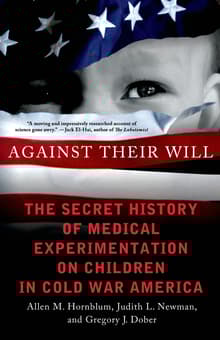
By Allen M. Hornblum , Judith L. Newman
What is my book about?
This groundbreaking book explores the underbelly of American medicine, the sordid history of scientific researchers using developmentally impaired children in overcrowded and underfunded state institutions as raw material for medical research. Against Their Will documents how thousands of children in hospitals, orphanages, and other public asylums became unwilling subjects in countless experimental studies during the 20th century.
Nita Farahany Says
For her pioneering contributions, she was named to the 2024 Vox Future Perfect 50, a list recognizing the world’s most impactful thinkers and innovators shaping the future.
Appointed by President Obama in 2010, she served on the _Presidential Commission for the Study of Bioethical Issues_until 2017. She has also served as President of the International Neuroethics Society, co-chair of the Neuroethics Working Group of the U.S. Brain Initiative, and on scientific and ethics advisory boards for multiple corporations. Farahany is co-founder and co-editor-in-chief of the Journal of Law and the Biosciences and serves on the Board of Advisors for Scientific American. She holds an A.B. in Genetics, Cell, and Developmental Biology from Dartmouth College, a J.D. and Ph.D. in Philosophy from Duke University, an M.A. from Duke, and an A.L.M. in Biology from Harvard University. She clerked for Judge Judith W. Rogers of the U.S. Court of Appeals for the D.C. Circuit before beginning her academic career.
Upstream Color Says
Cracks
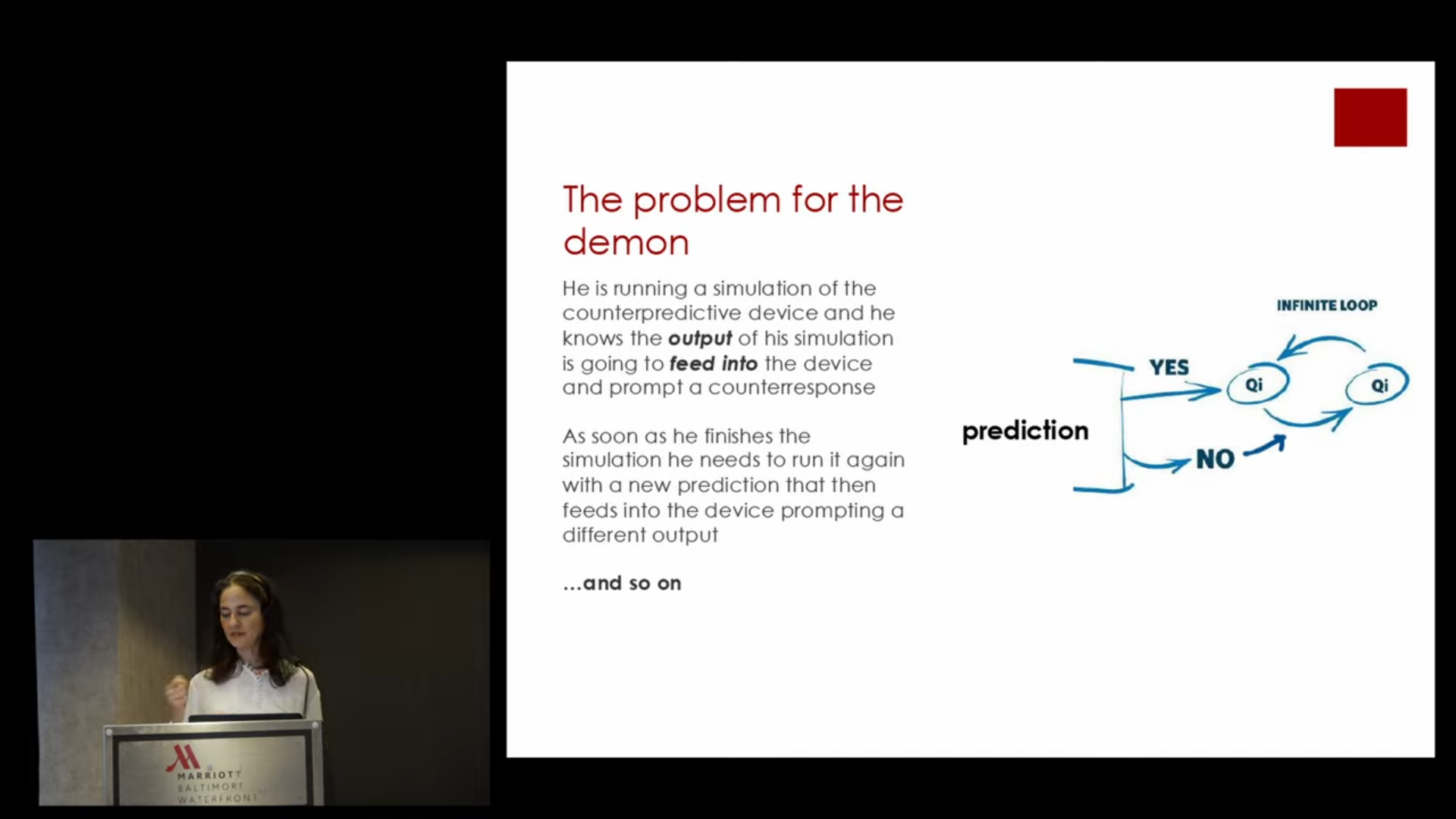
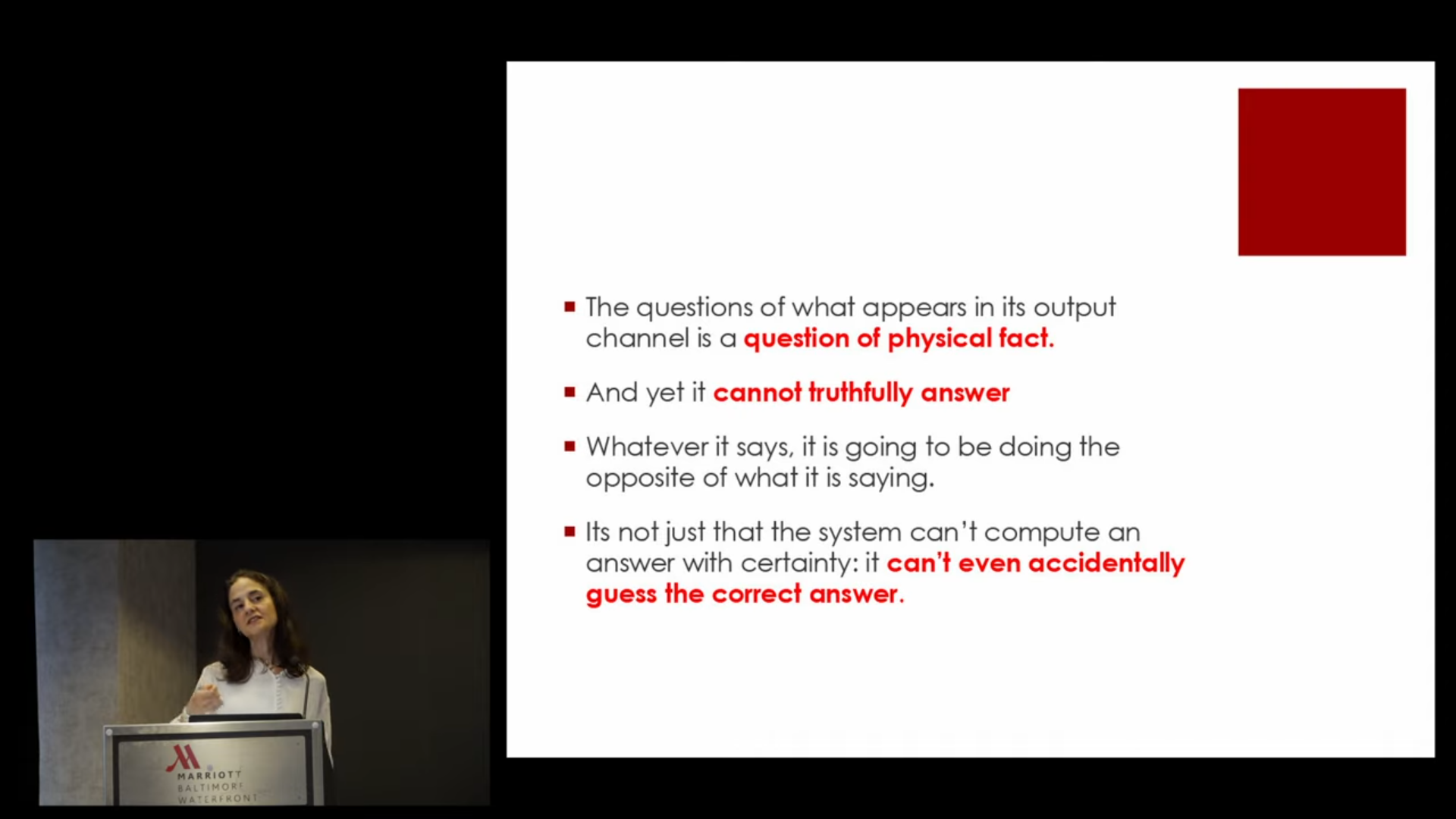
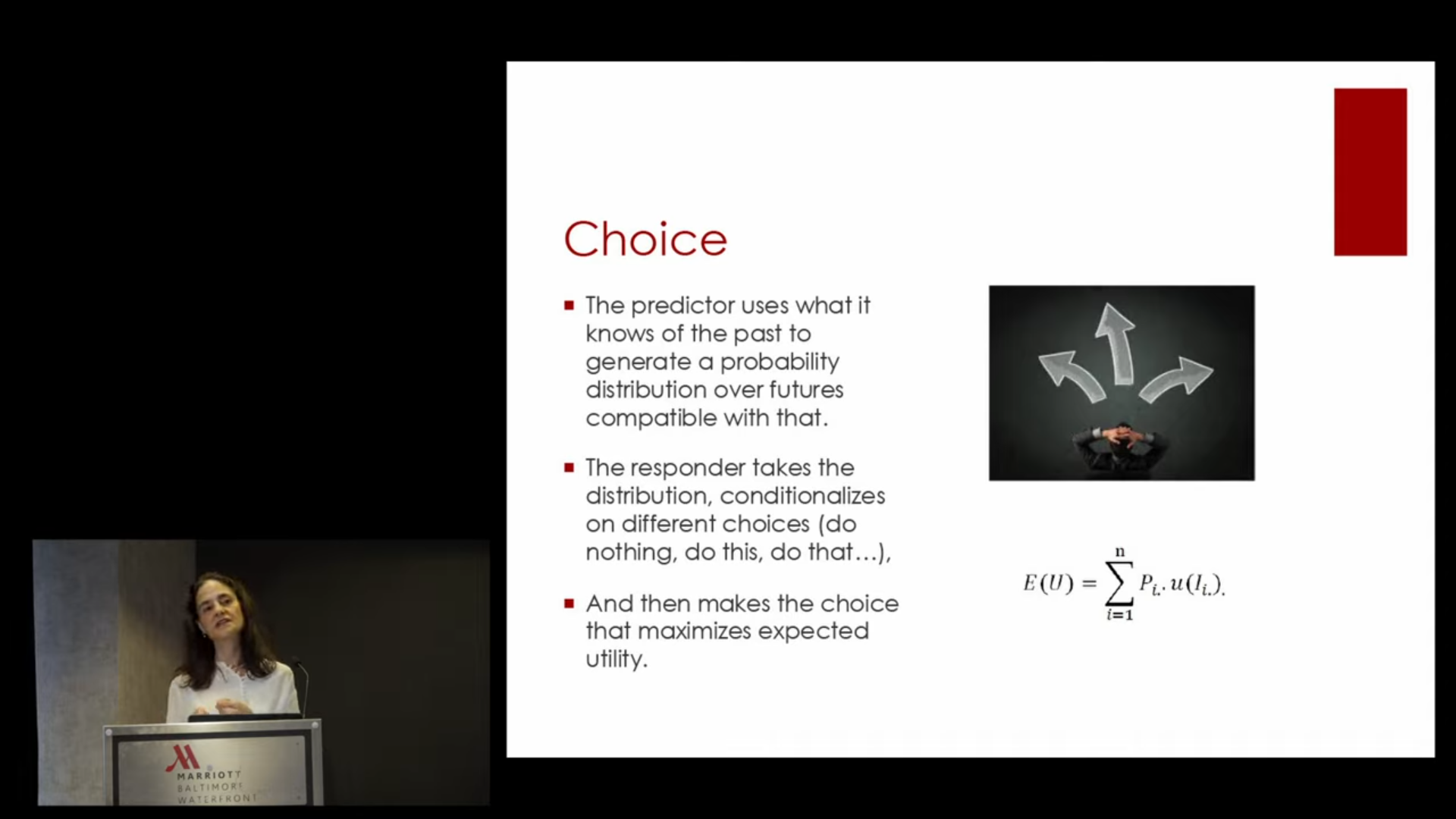
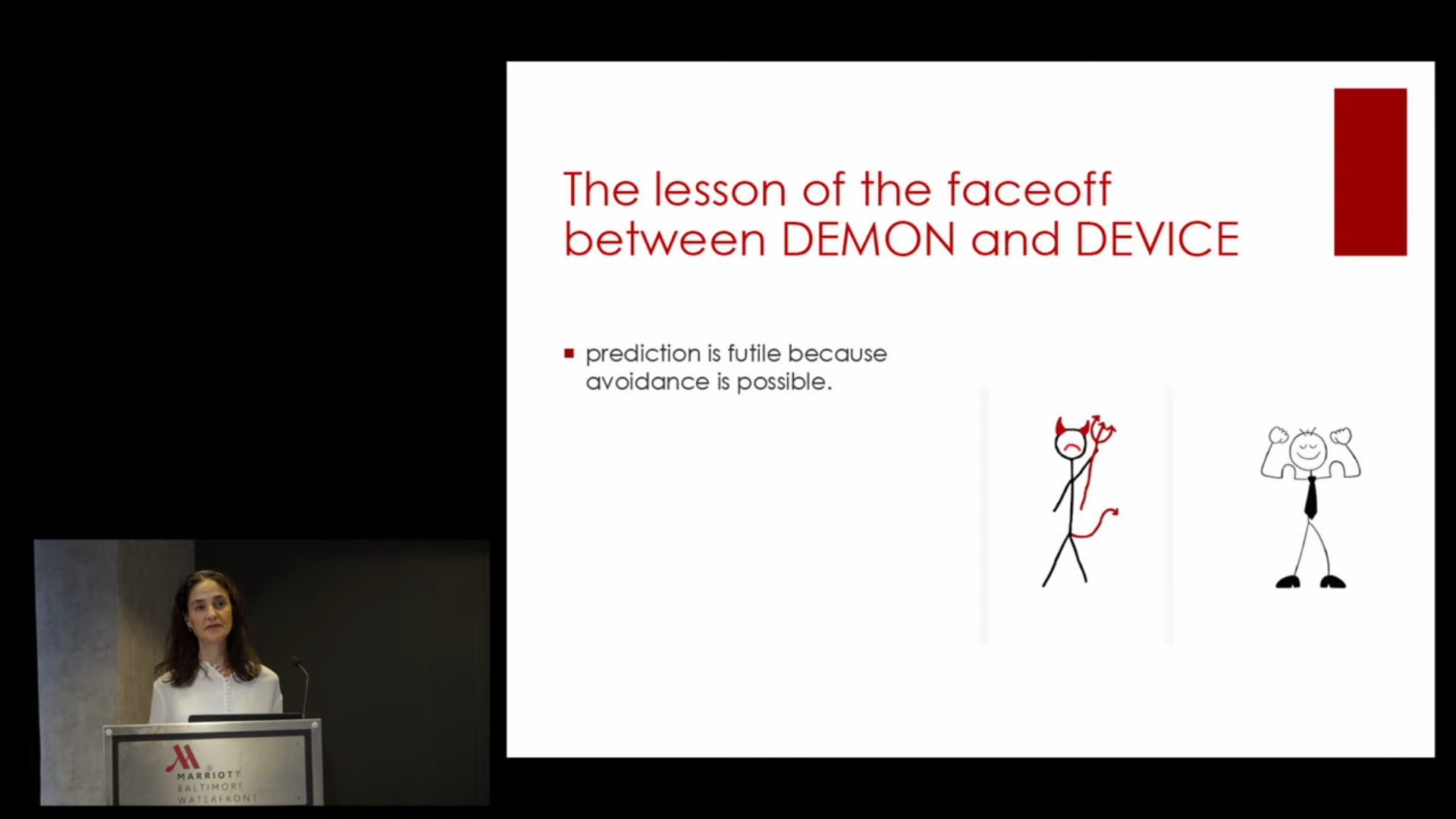
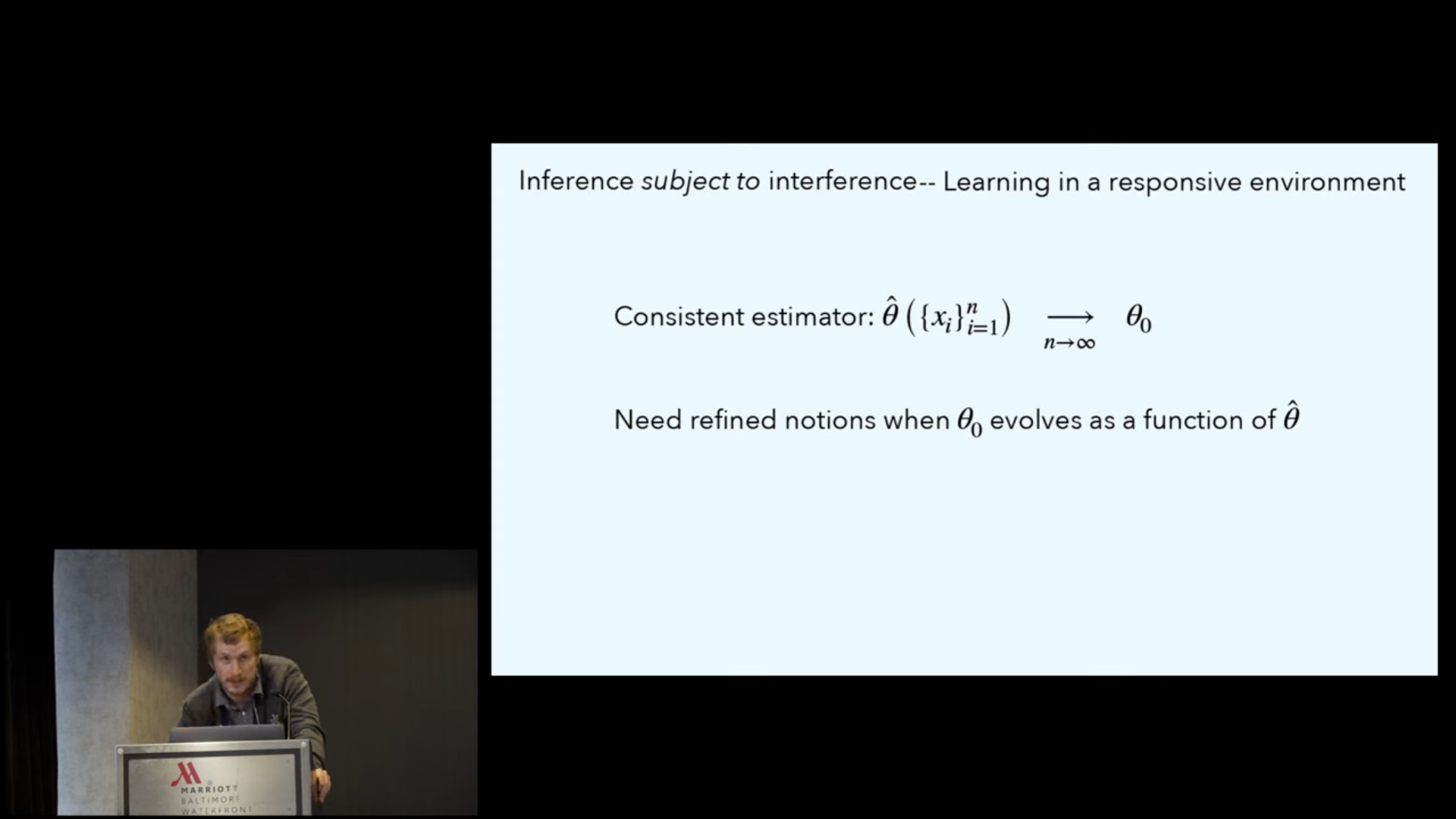
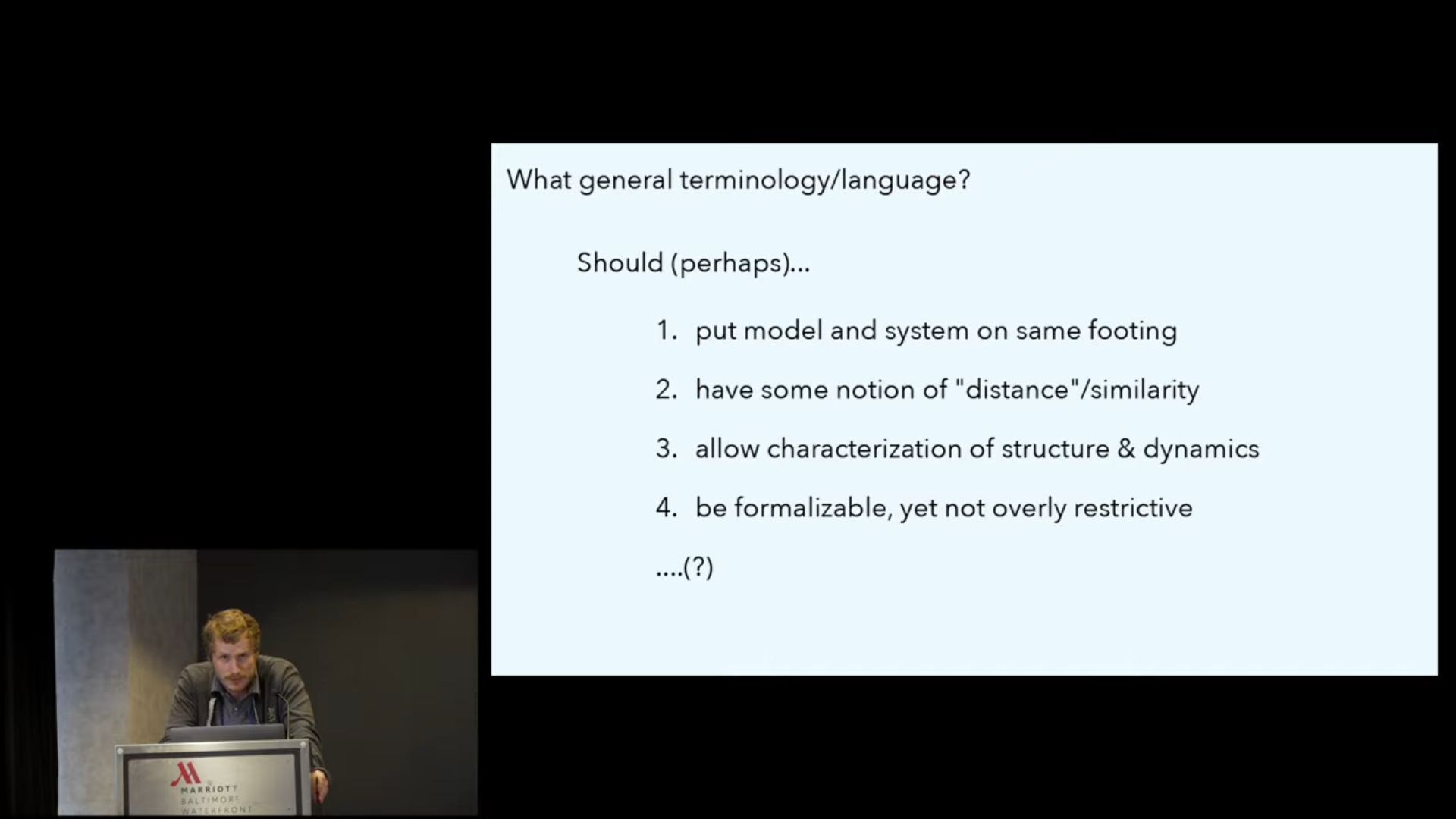
“The representational machinery in your head is guiding action in a way that works to offset counteract thwart, obstract. and otherwise get in the way of prediction that you don’t like and promote the ones that you do” (Ismael @ 24:02).
In other words: